Role
Senior UX Designer
Company
Amazon Web Services
Product
SageMaker Unified Studio (SMUS)
Feature
Release Center (stage-aware DevOps UX)
Scope
E2E workflow + release-stage interaction model
Stage Model
Dev · Test · Pre-prod · Prod
Project summary
I designed a feature called Release Center for Amazon SageMaker Unified Studio. It is a built-in tool that helps data and AI teams move their work safely from development all the way to production, step by step. Instead of jumping between disconnected tools, teams can now track progress, manage approvals, and release their projects with confidence, all without ever leaving the product.
Project E2E workflow
Customer Problem Research
Identified how release fragmentation between artifact creation and deployment was breaking team workflows in SMUS.
Context & Domain Understanding
Mapped the SMUS product structure — domains, projects, artifacts — and defined how DevOps stages fit into the existing model.
Solution Conceptualization
Defined Release Center: a stage-aware in-product experience bringing Dev, Test, Pre-prod, and Prod contexts directly into SMUS.
Cross-functional Collaboration
Partnered with engineering, PM, and customers (Intuit, Siemens, Oracle) to validate stage semantics and release guardrails.
E2E Workflow Mapping
Created collaborative workflow artifacts mapping the full path from domain setup through stage operation to production release.
Wireframing
Multi-round wireframe exploration testing stage visibility, commit interactions, and artifact promotion before visual polish.
Hi-Fi Design
Formalized stage-aware UI across domain setup, project creation, Release Center views, and CI/CD pipeline integration.
Outcome IA & Prototype
Delivered a finalized information architecture, interactive prototype, and release-stage interaction model for handoff.
Amazon SageMaker Unified Studio (SMUS) is a unified off-console environment for data analytics and AI creation where teams build notebooks, data assets, ML models, and AI applications in one governed workspace. DevOps is the set of practices that connects development and operations through CI/CD, enabling faster and safer release cycles.
Adding a DevOps stage environment directly into SMUS is valuable because users no longer need to break flow between artifact creation and release preparation. Instead, they can create, validate, and promote artifacts with release intent visible across stage contexts before production rollout.
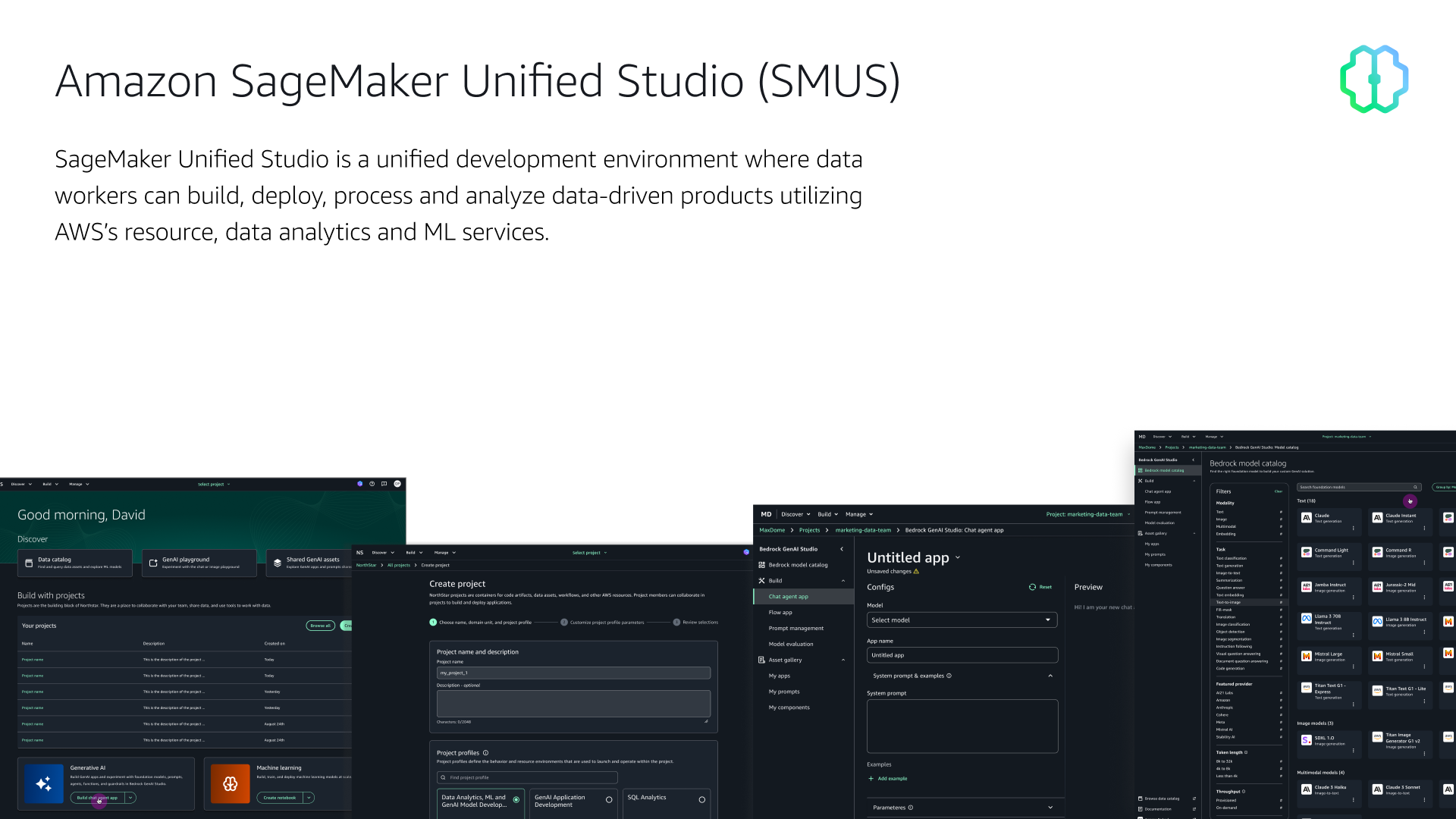
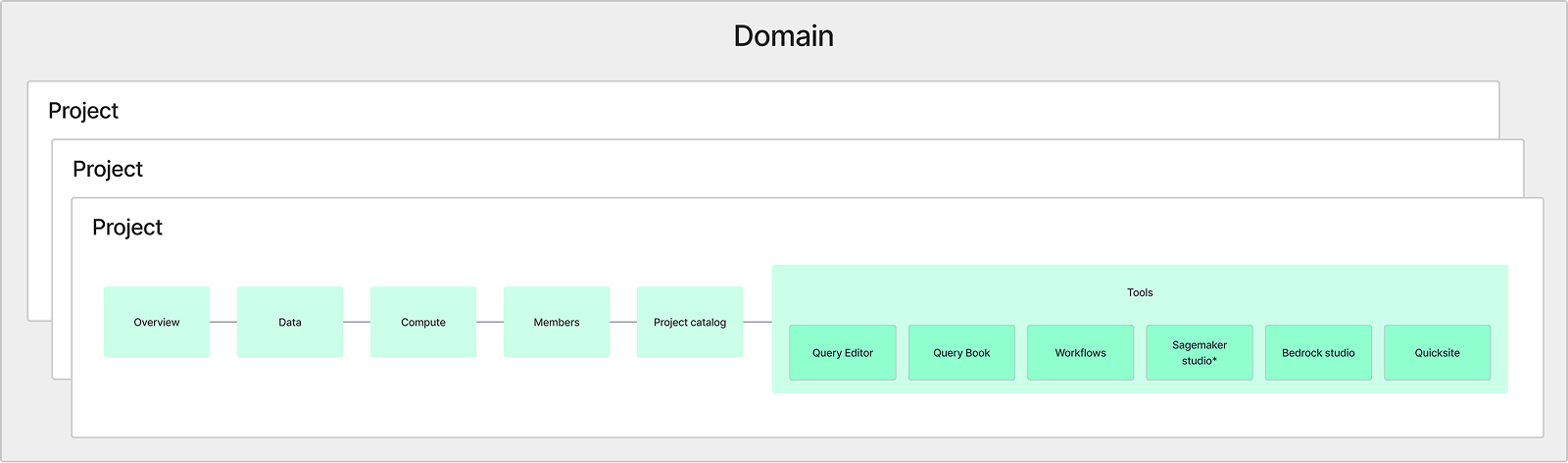
In the SMUS workflow, teams discover and prepare data, build notebooks and models, and create AI applications and related artifacts inside a unified product surface. Work can move quickly during creation, but delivery confidence depends on a clear path to release.
Customer need was explicit: after building artifacts, they needed a reliable way to move those artifacts toward production through controlled environments without breaking context or relying on disconnected handoffs.
This section reframes the core gap: artifact creation existed in SMUS, but release progression required clearer in-product stage flow to support safe production readiness.
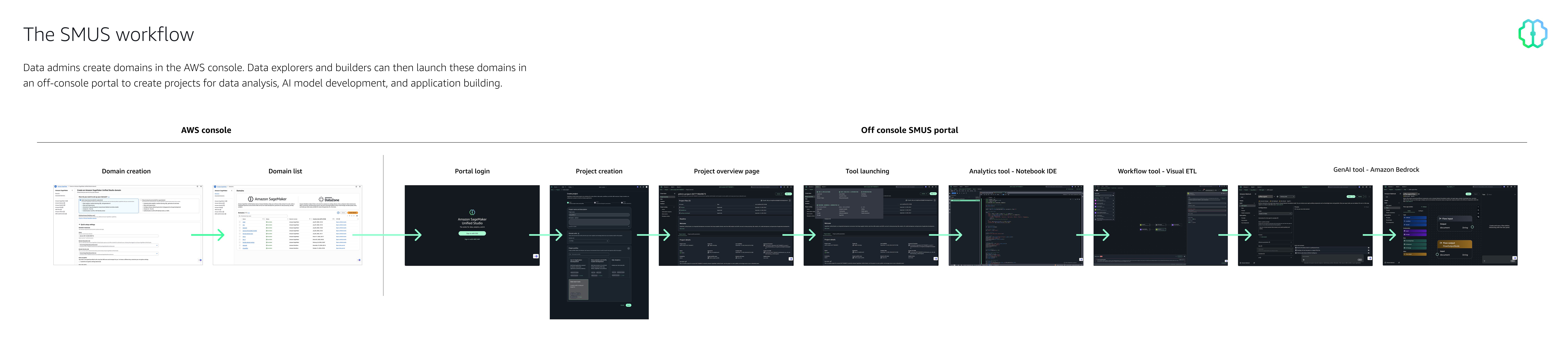
Customers could build notebooks, models, and AI artifacts inside SMUS, but release progression often depended on disconnected tools and fragmented handoffs. That gap reduced confidence, slowed delivery, and made production readiness harder to track.
The recurring request was clear: keep release intent and stage progression visible inside the same product flow used to create artifacts, so teams can move from build to release without losing context.
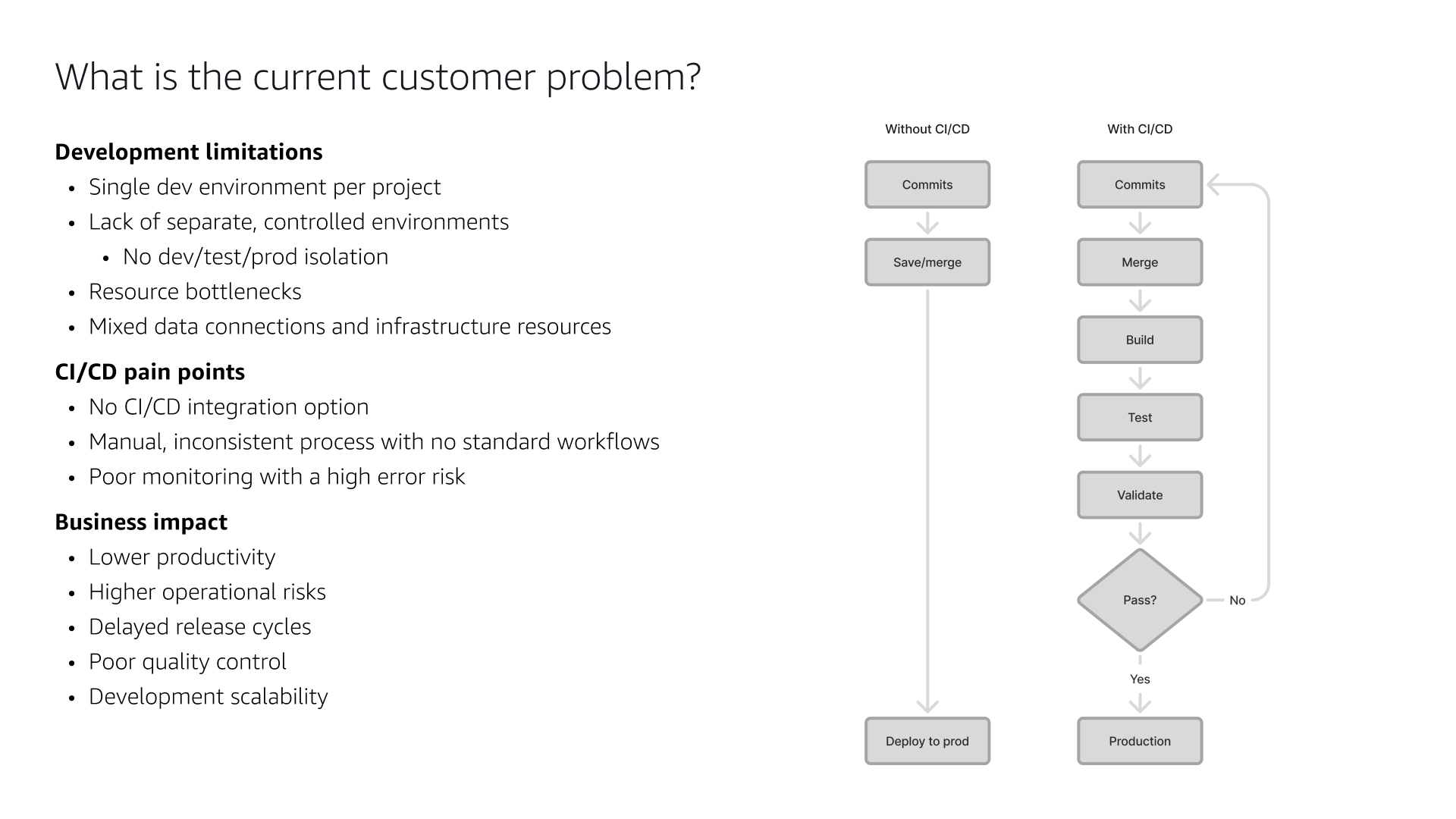
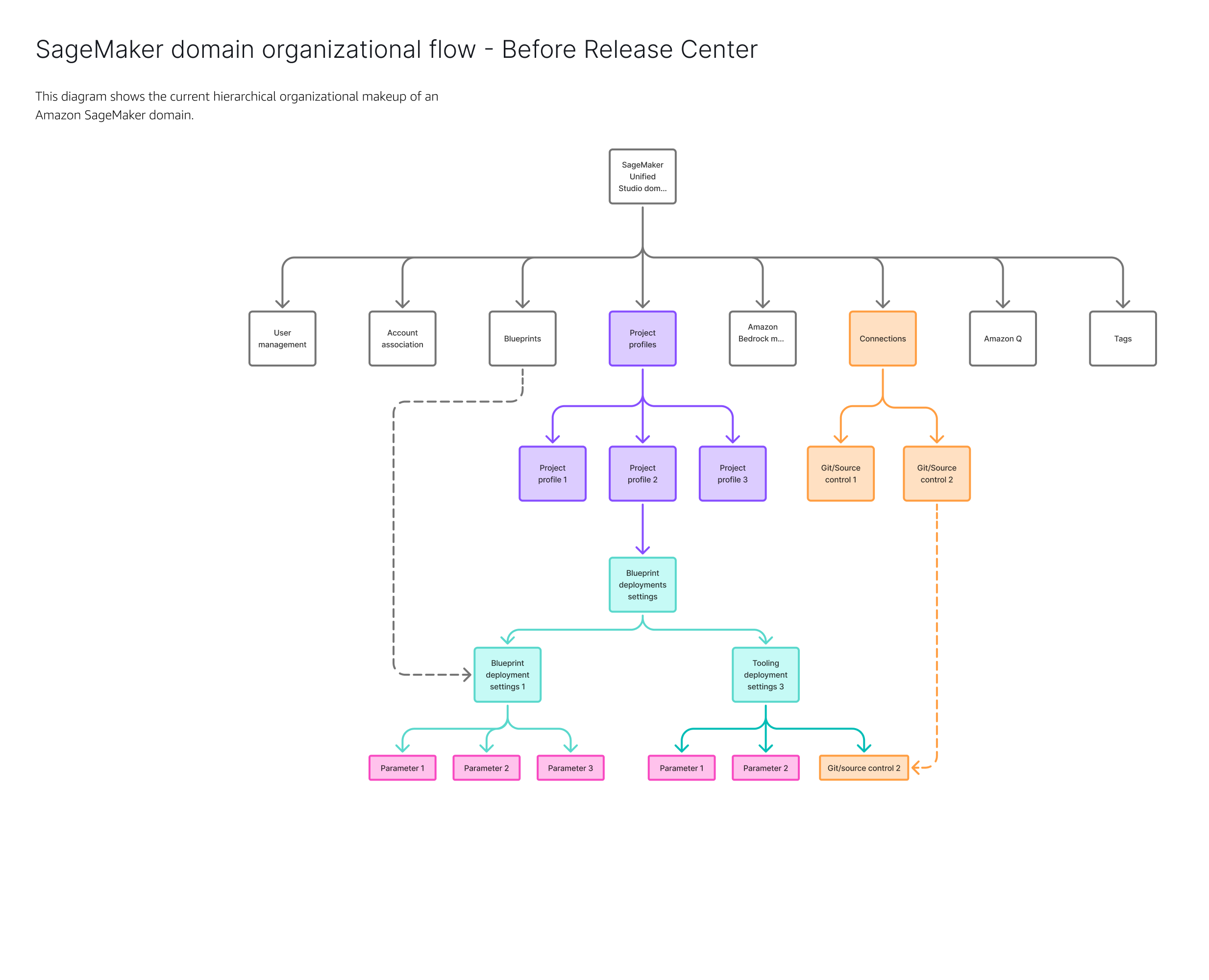
DevOps combines development and operations practices so teams can continuously build, validate, and release software through CI/CD pipelines. In SMUS, users previously created artifacts, notebooks, models, and AI apps, then depended on external tools to manage release and deployment workflows.
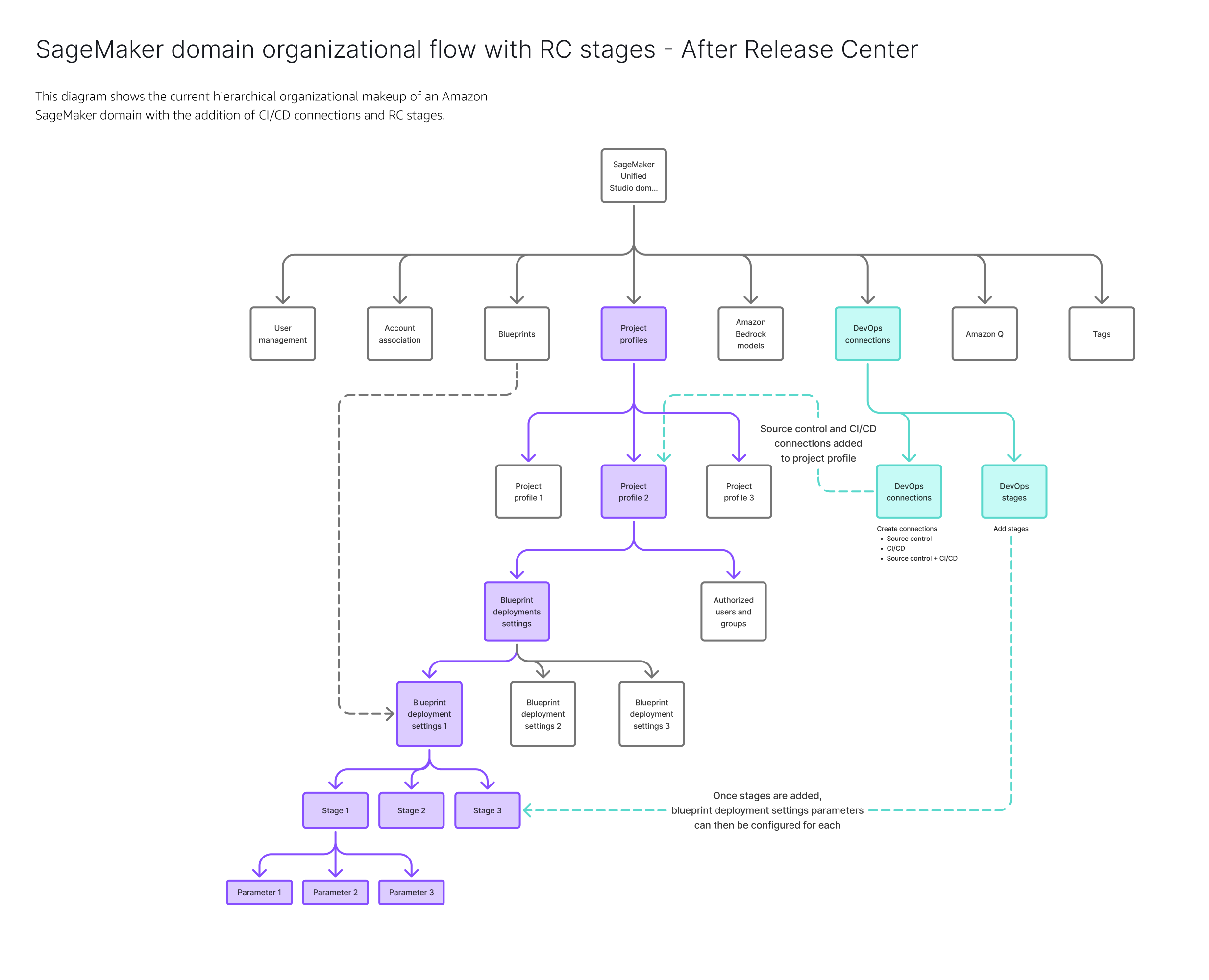
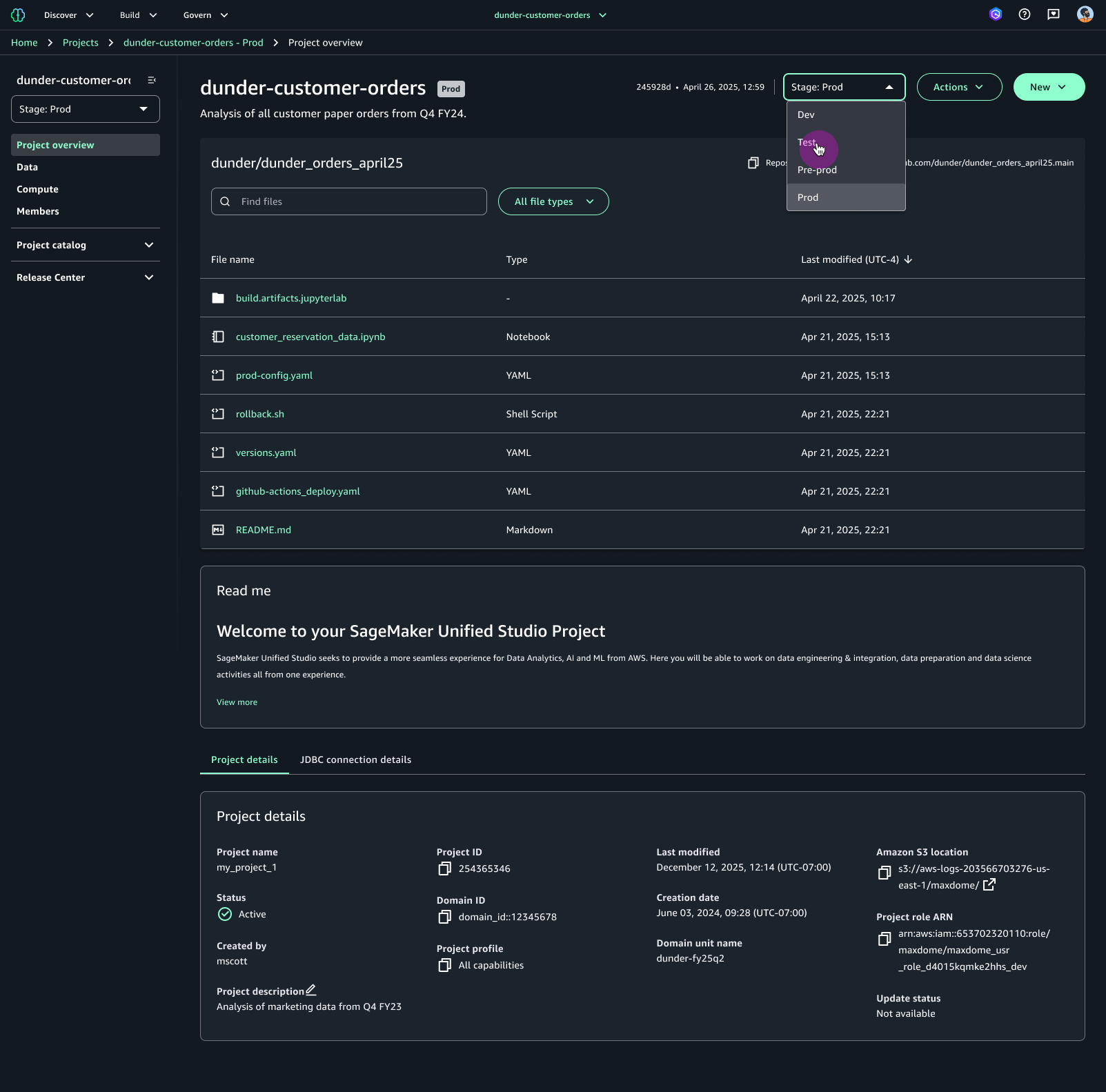
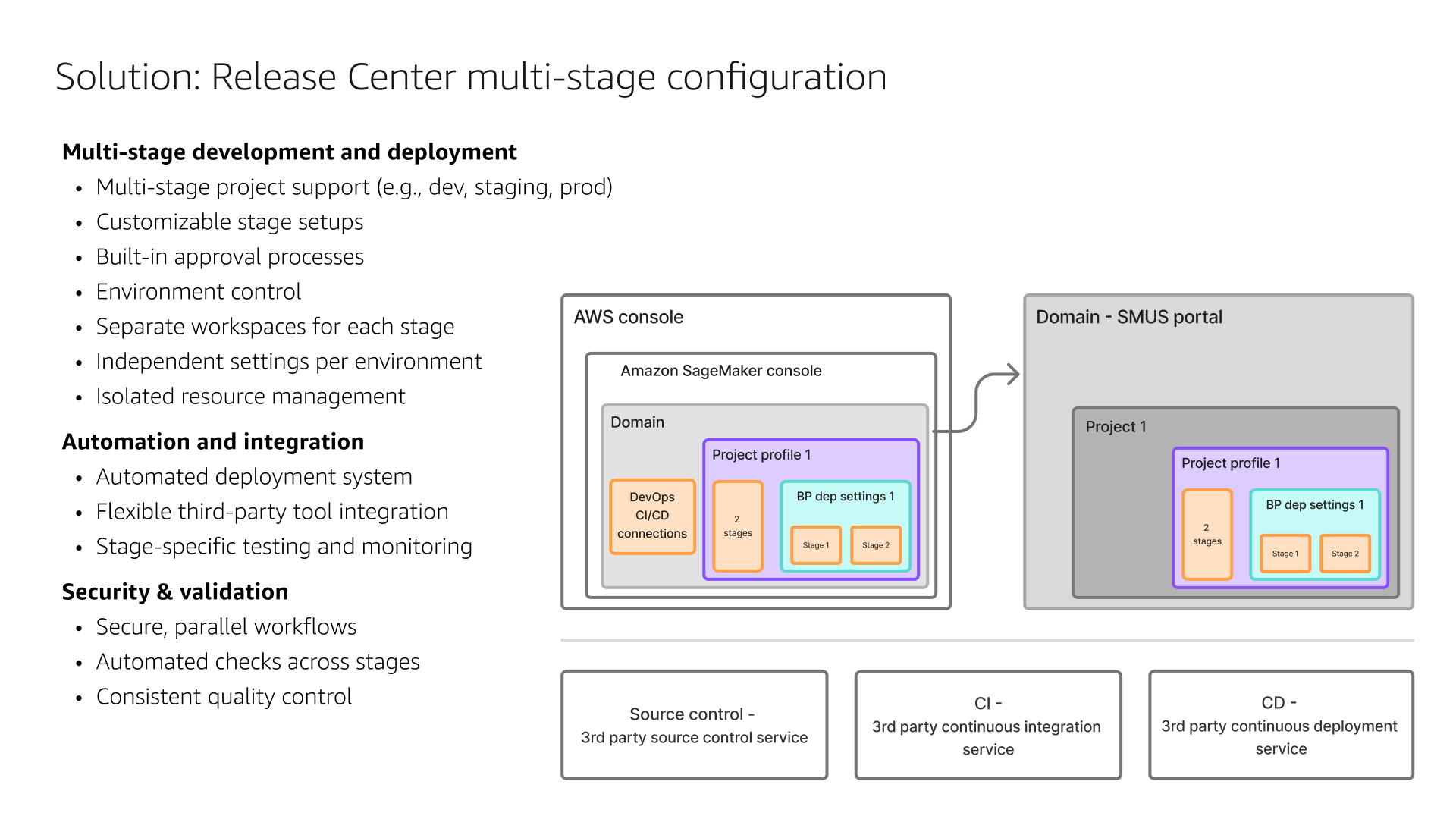
To address this problem, the SMUS team introduced Release Center: an in-product, stage-aware release orchestration experience that brings Dev, Test, Pre-prod, and Prod contexts directly into SMUS. Release Center gives teams a clear, governed path to promote artifacts through defined CD stages while keeping release intent, status, and decision points visible without leaving the product.
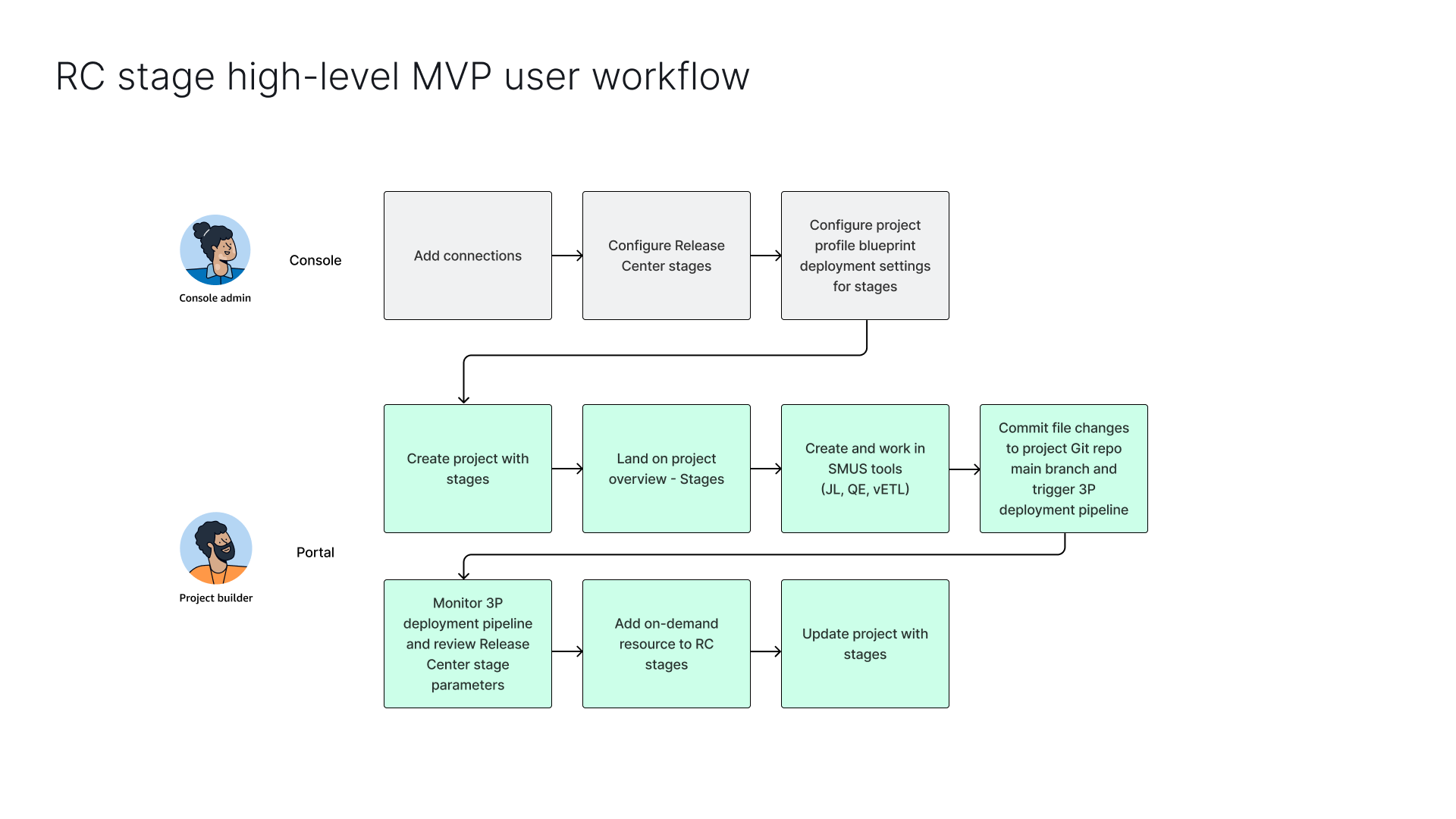
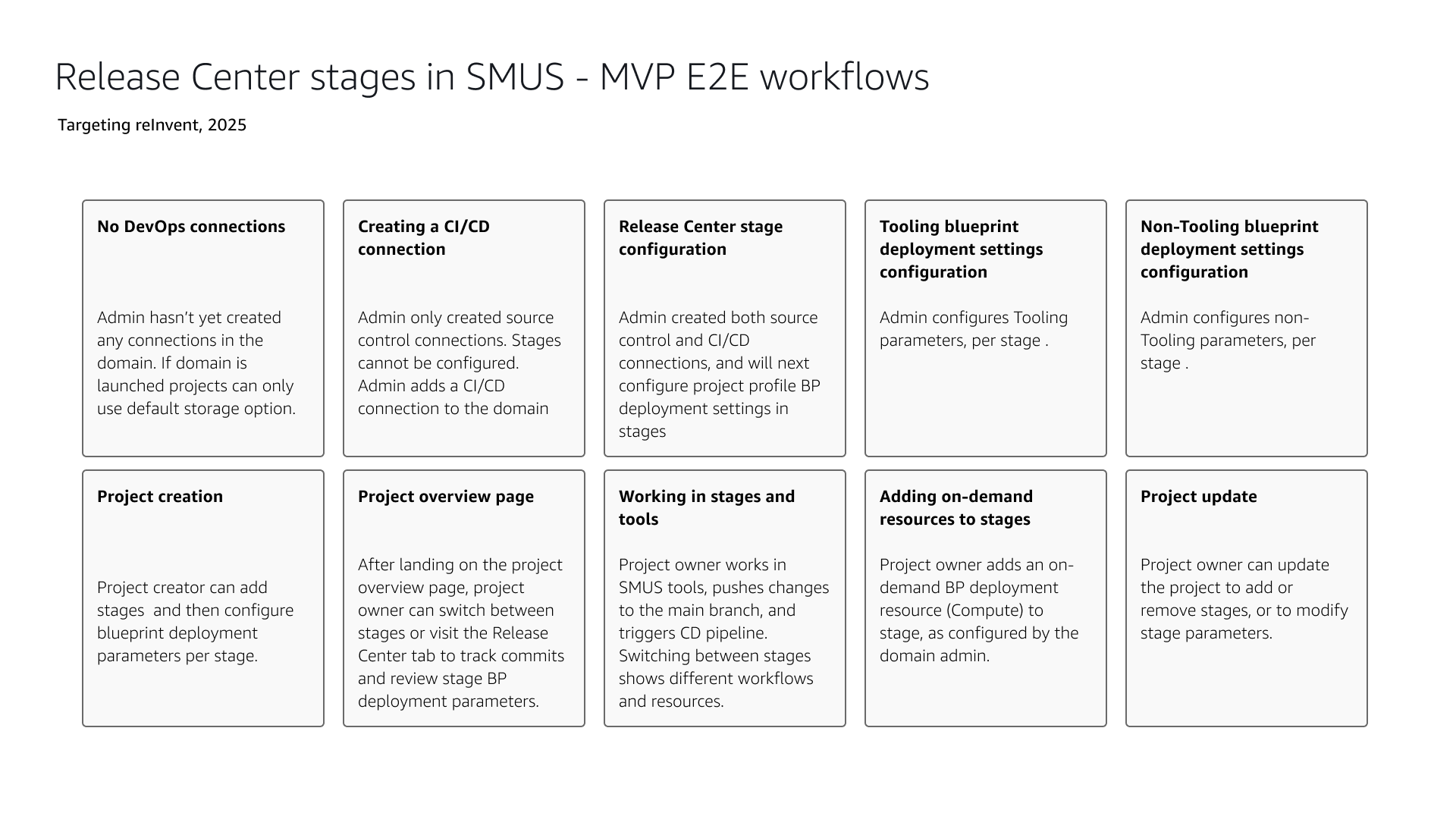
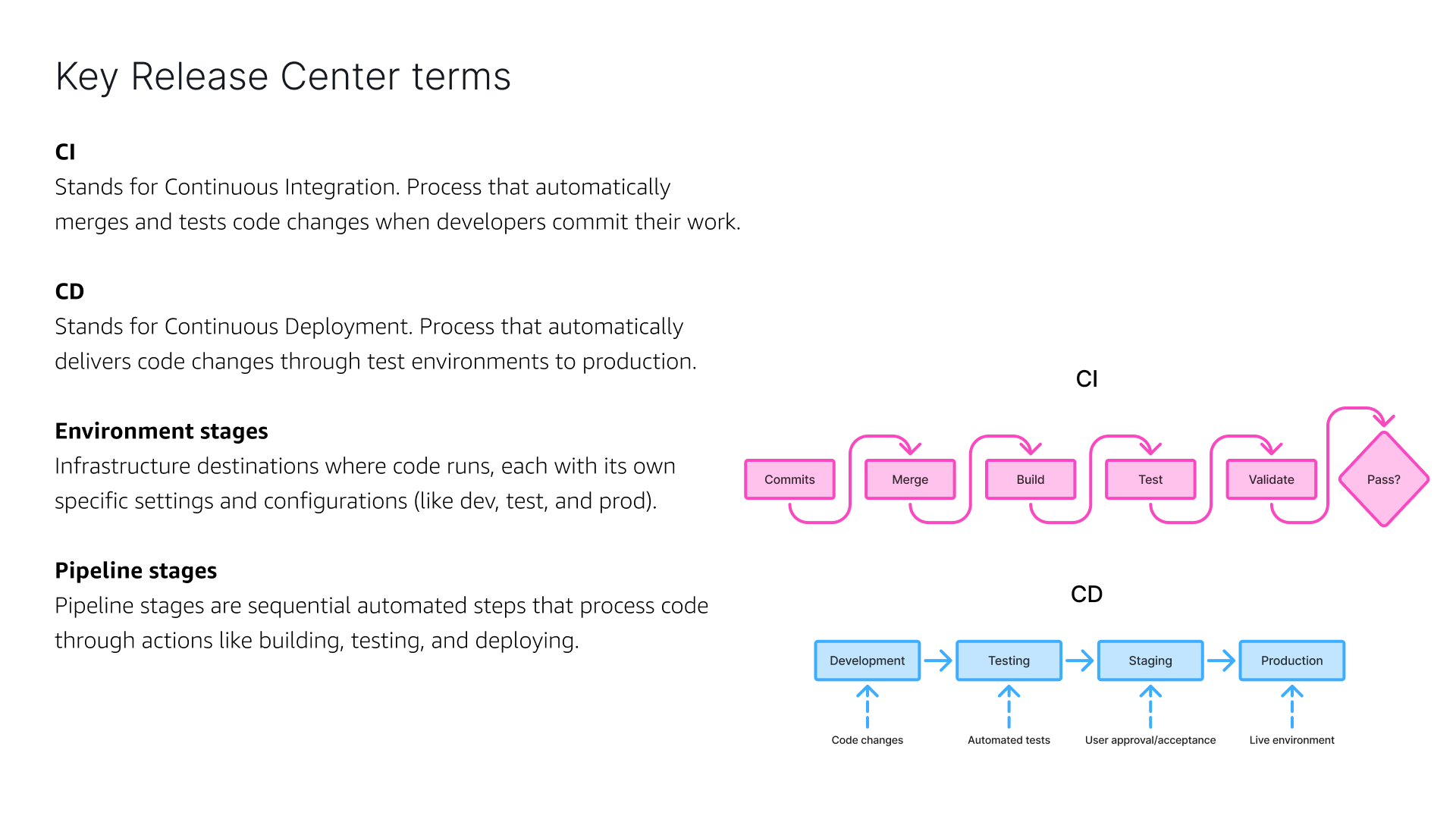
This work required intensive collaboration with back-end and front-end engineers, product managers, and technical writers, plus repeated customer conversations to validate release-stage assumptions and real-world pipeline behavior.
Customer discussions with Intuit, Siemens, and Oracle informed the journey mapping, stage semantics, and release guardrails represented in the final UX direction.


Wireframes were used to test information architecture, stage visibility, and commit/promotion interactions before visual polish. The focus was behavior clarity first, then visual refinement.
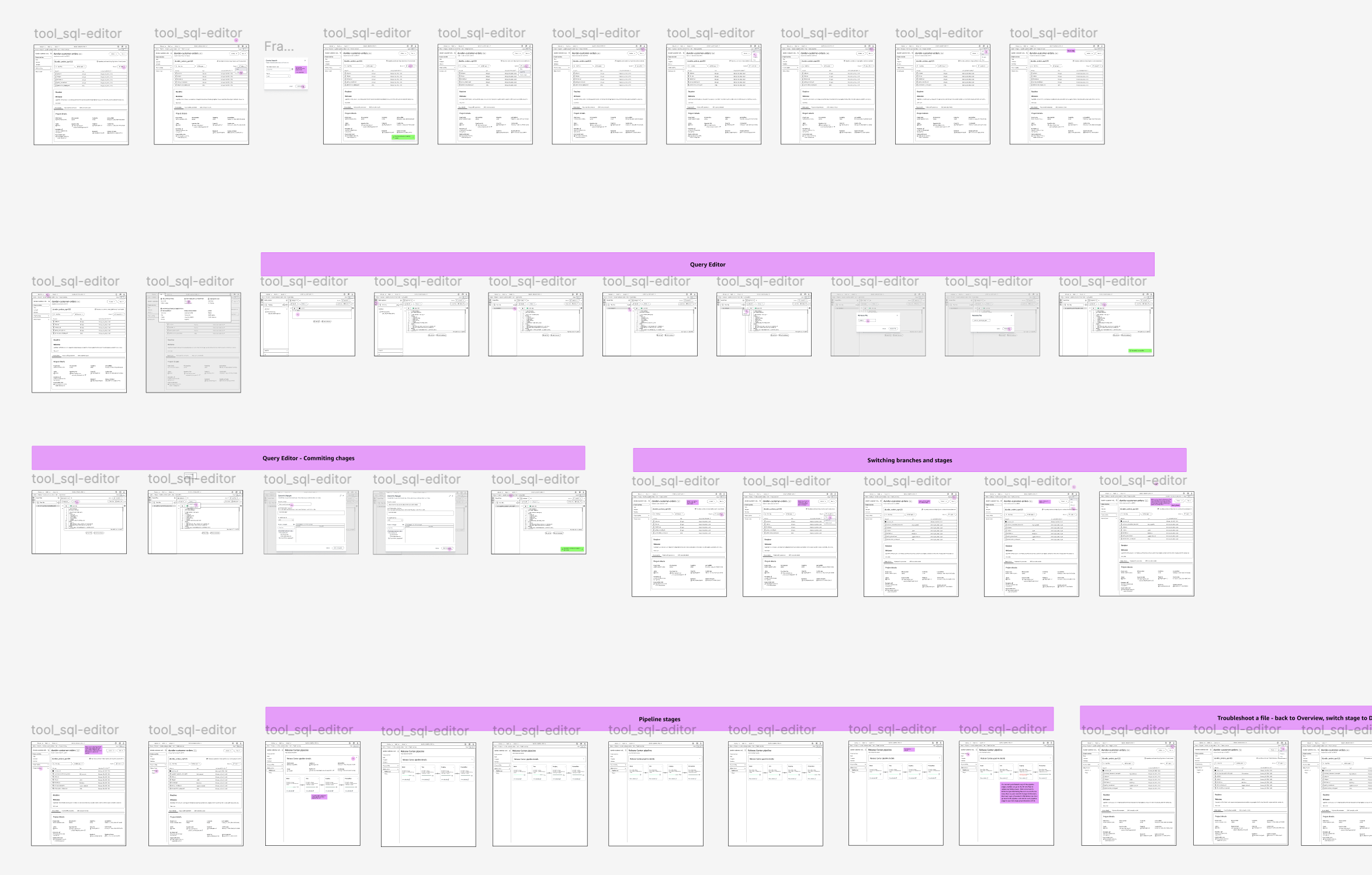
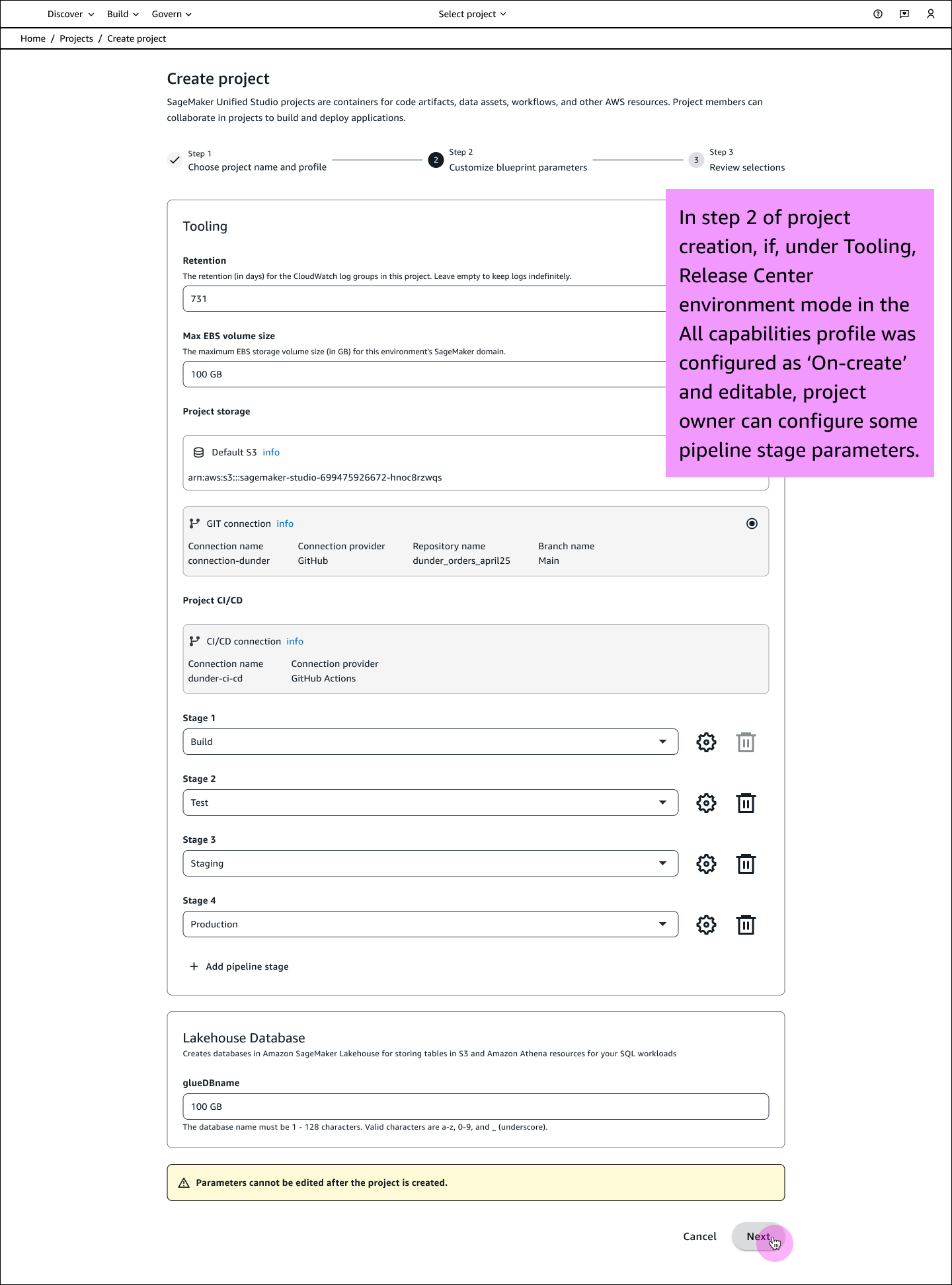
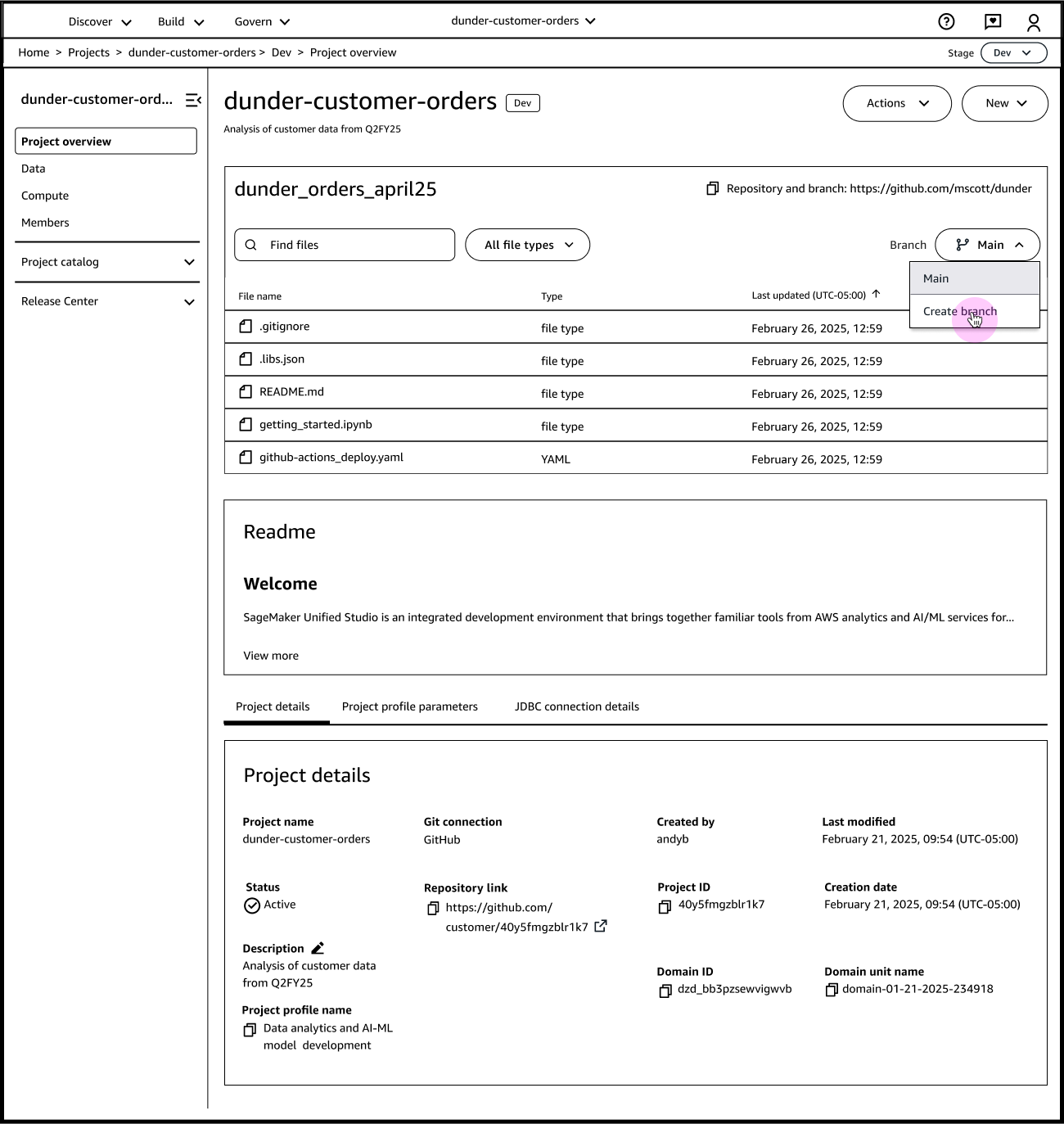
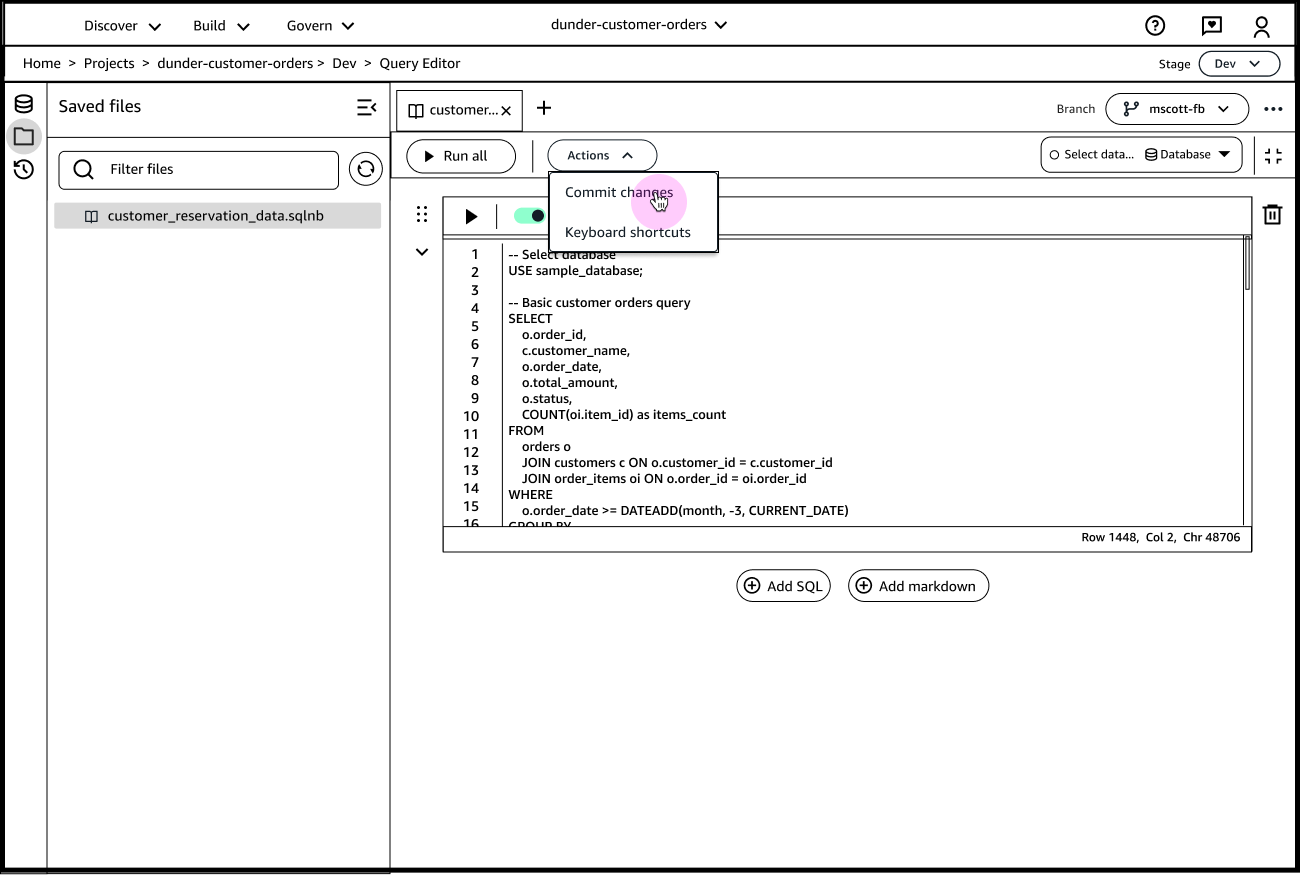
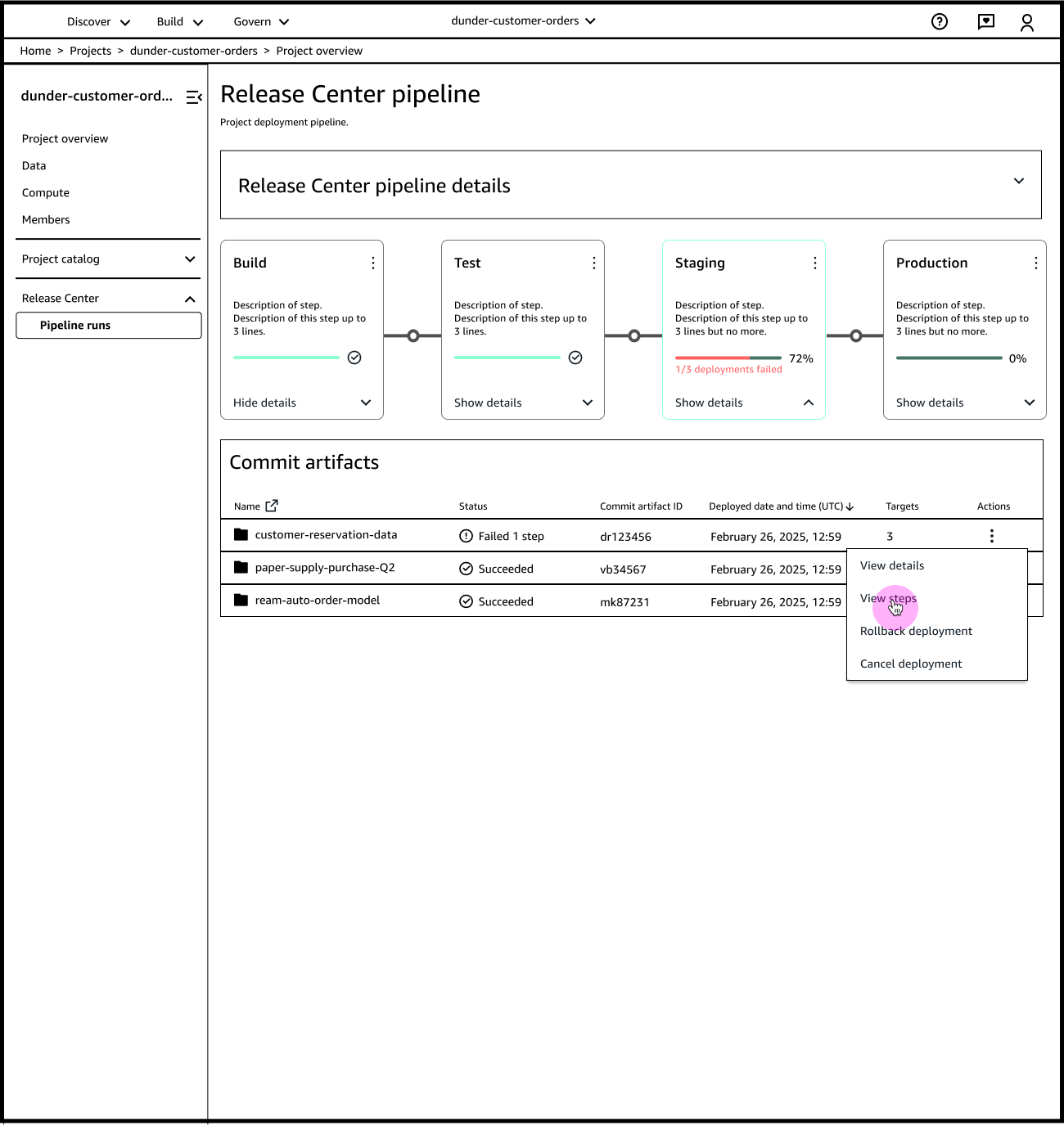
Hi-fi comps formalized the core interaction concept: admins configure DevOps stages at domain level, then every project created in that domain inherits stage-aware release contexts. Users can work on artifacts in any stage and advance artifacts down the CD pipeline, while pipeline monitoring and management remain connected to third-party tools such as GitHub and GitLab.
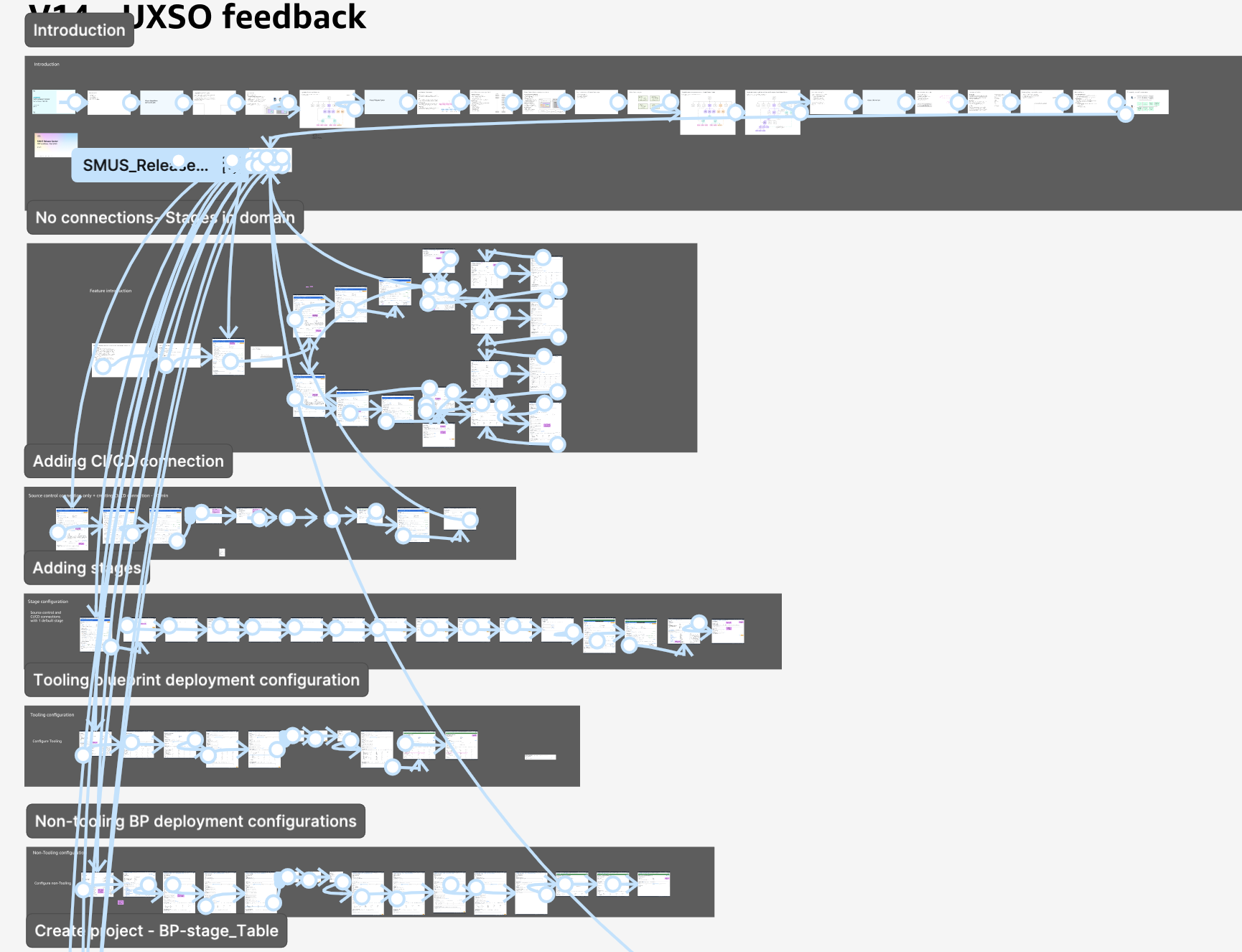
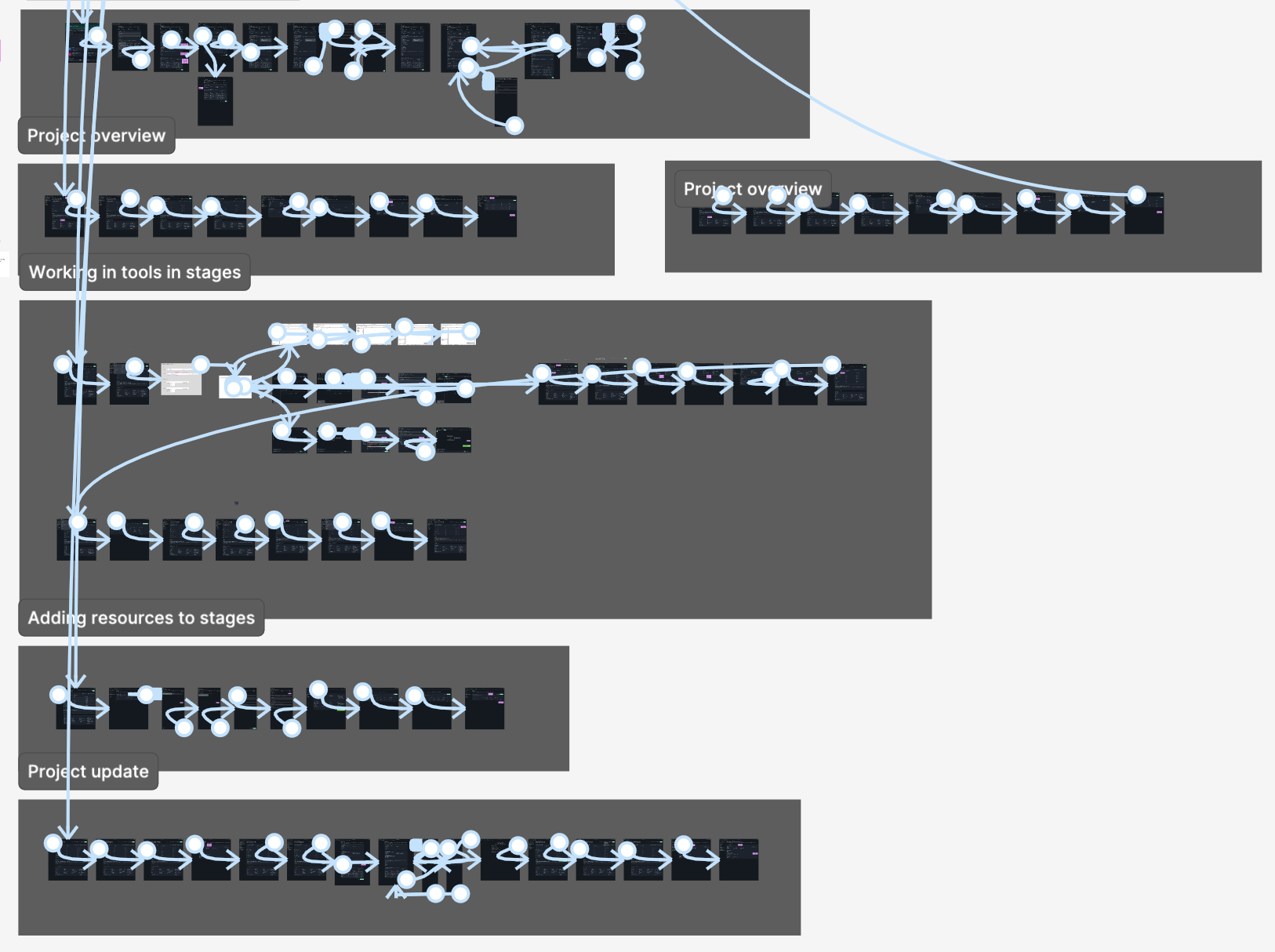
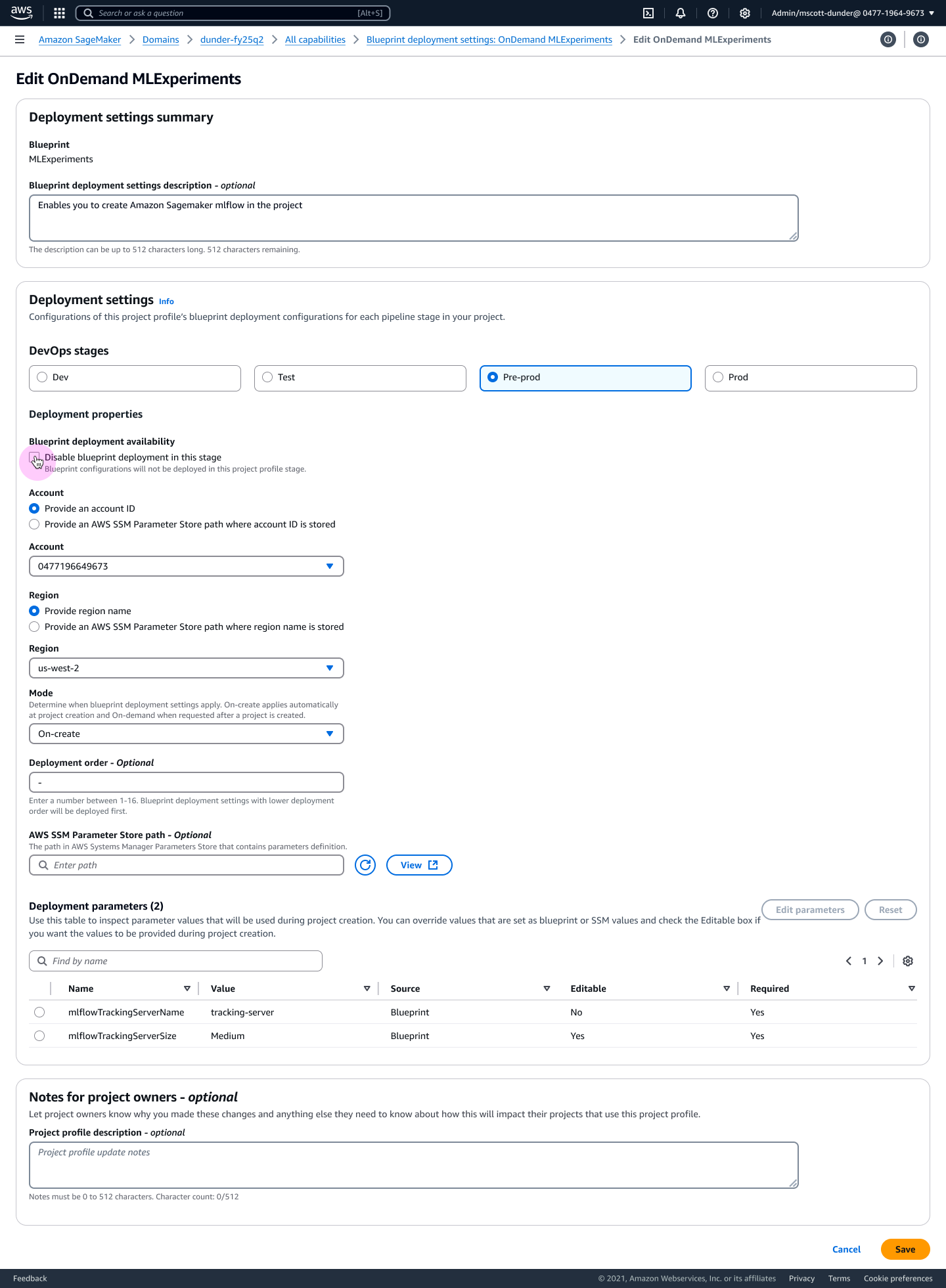
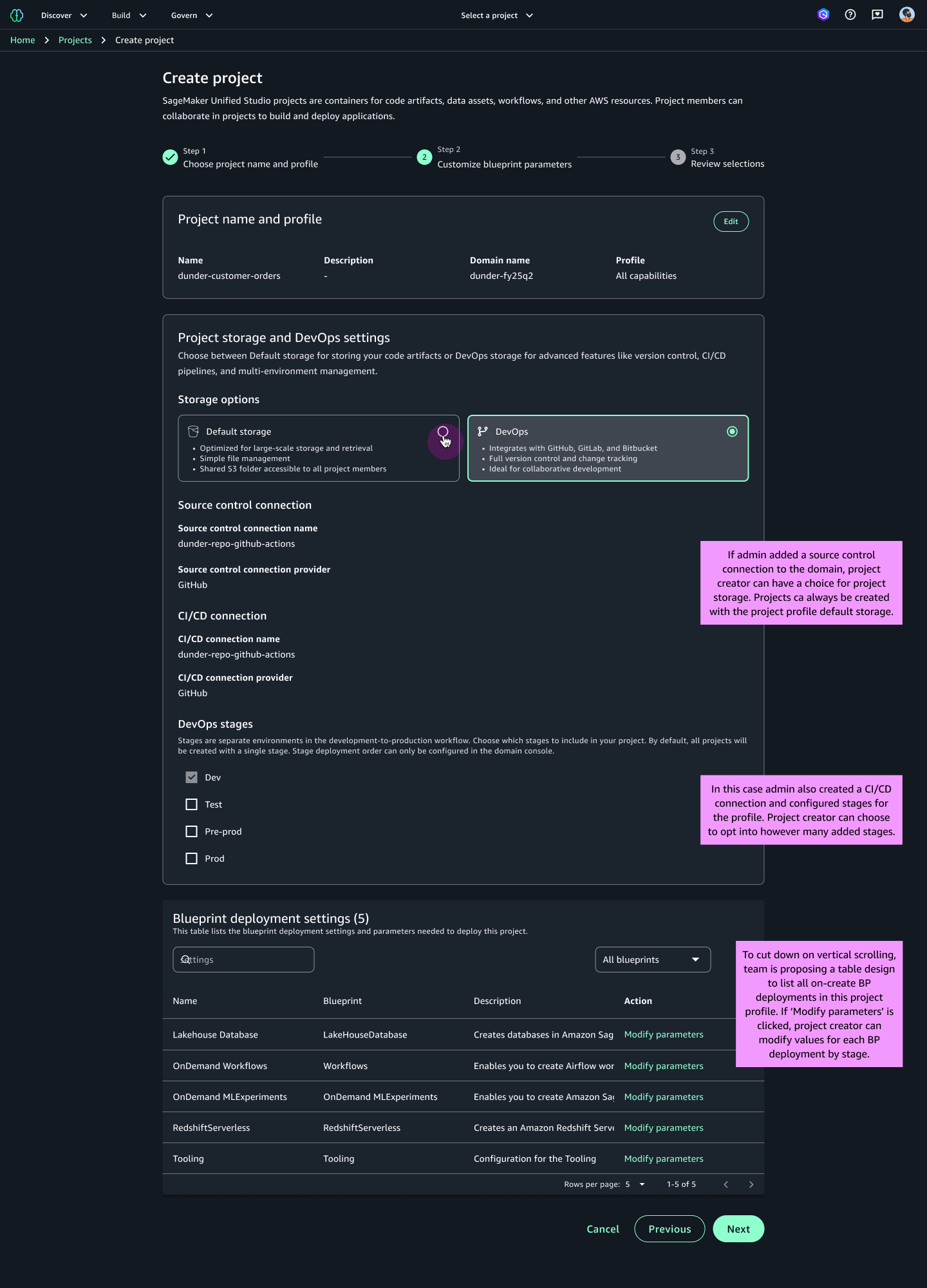
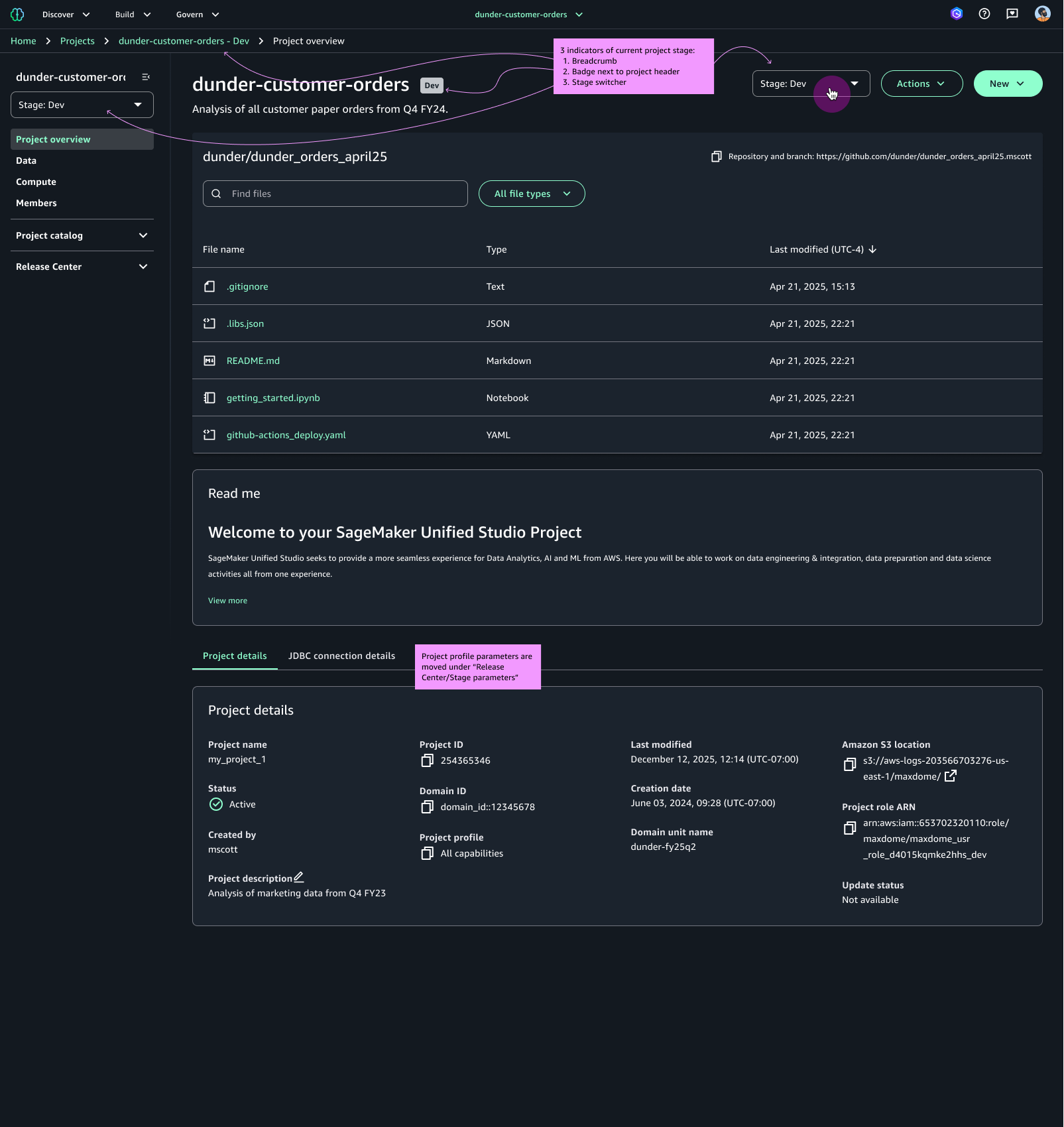
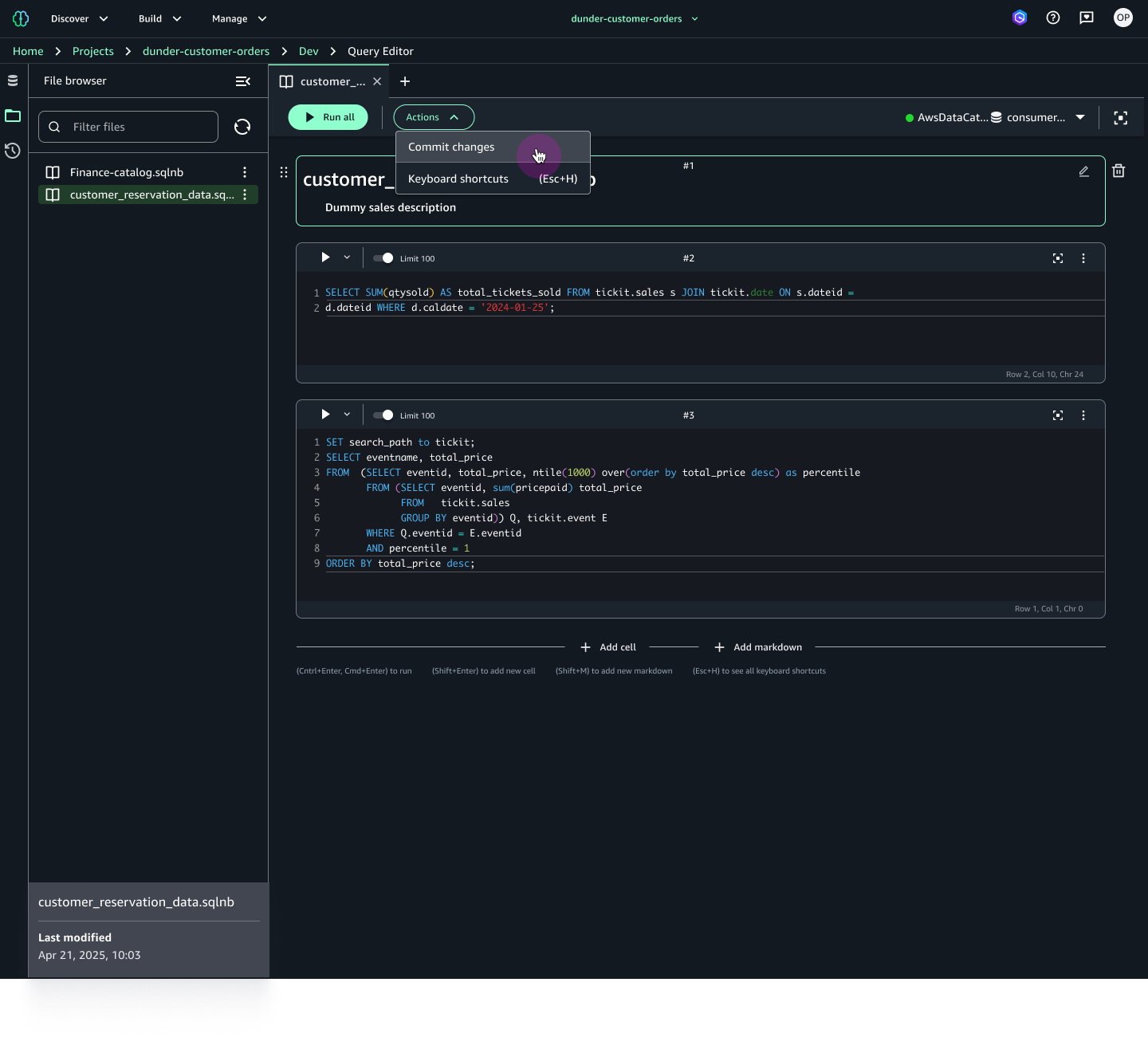
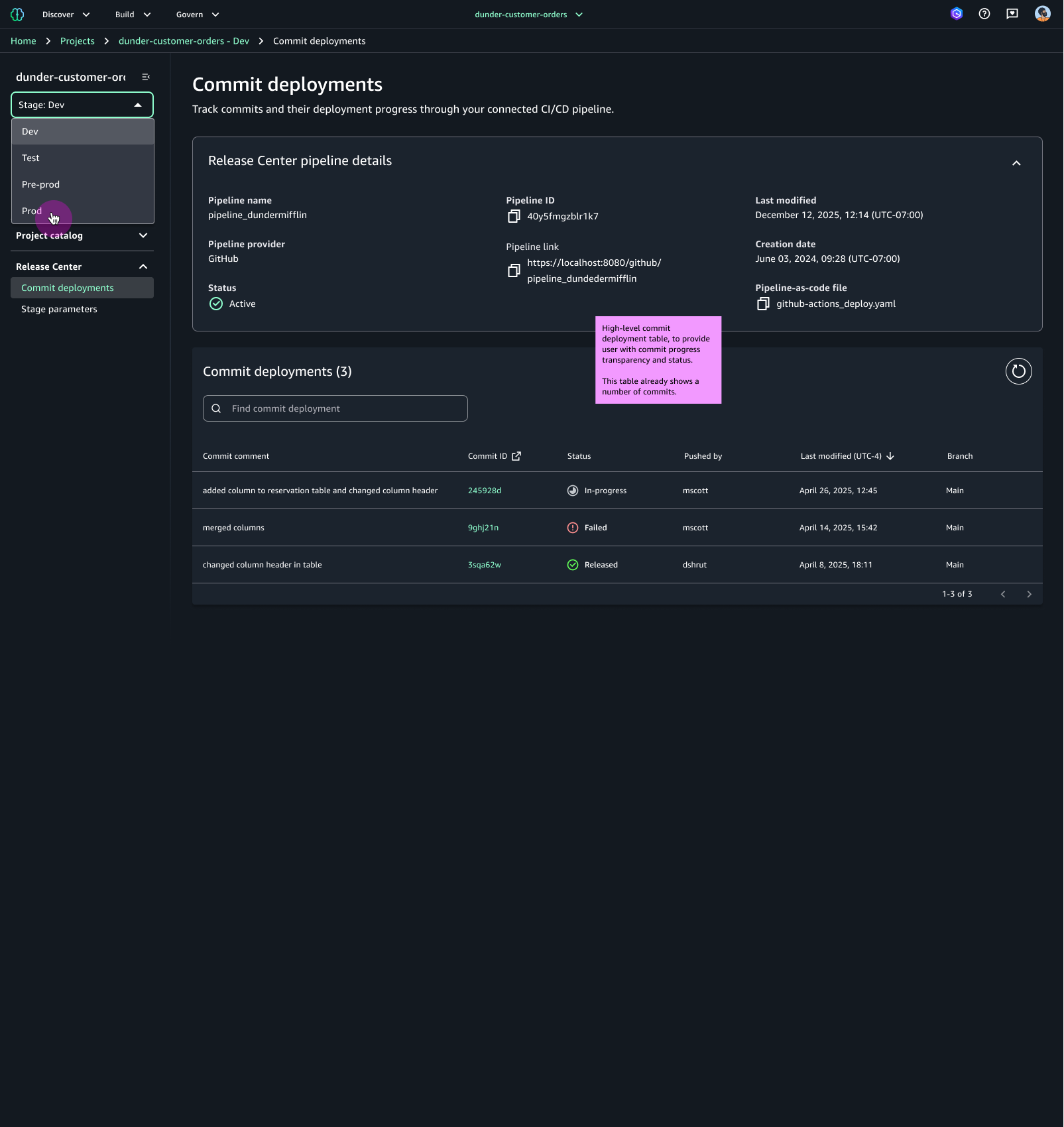
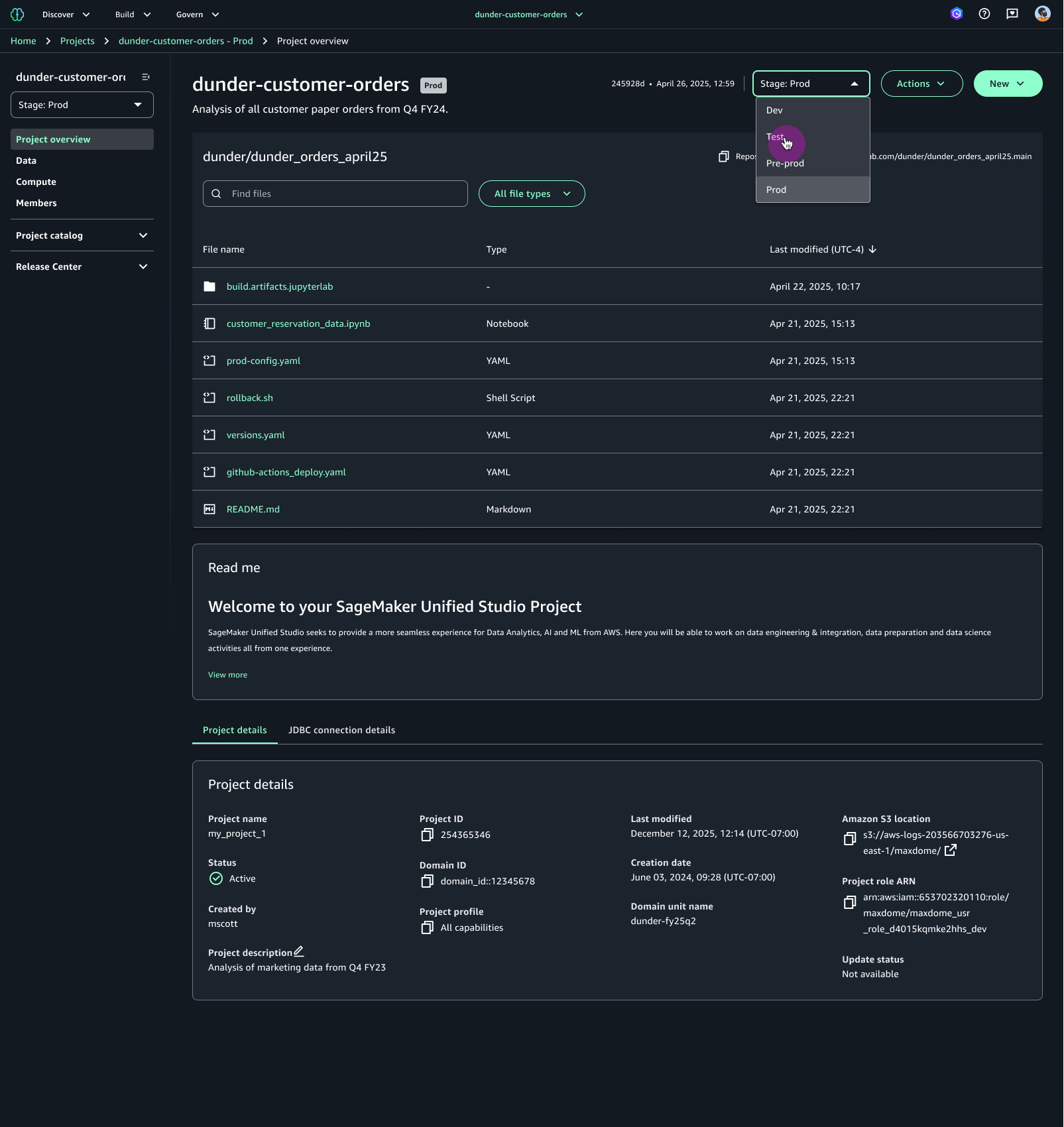
Let’s now take a look at the feature E2E design prototype. The prototype includes 10 chapters, from the administrative tasks of setting up DevOps resources and stages in a domain, to project creation, opening a project with stages, and then pushing project artifacts to production through those stages.
PROJECT PROTOTYPERelease Center adds structured stage isolation and governance into everyday SMUS workflows. Teams can isolate risk, apply guardrails at each stage, and still move faster because release context stays connected to artifact creation and collaboration.
The result is a more reliable release loop: clearer ownership, safer promotions, and expedited delivery pipelines for analytics and AI artifacts.